
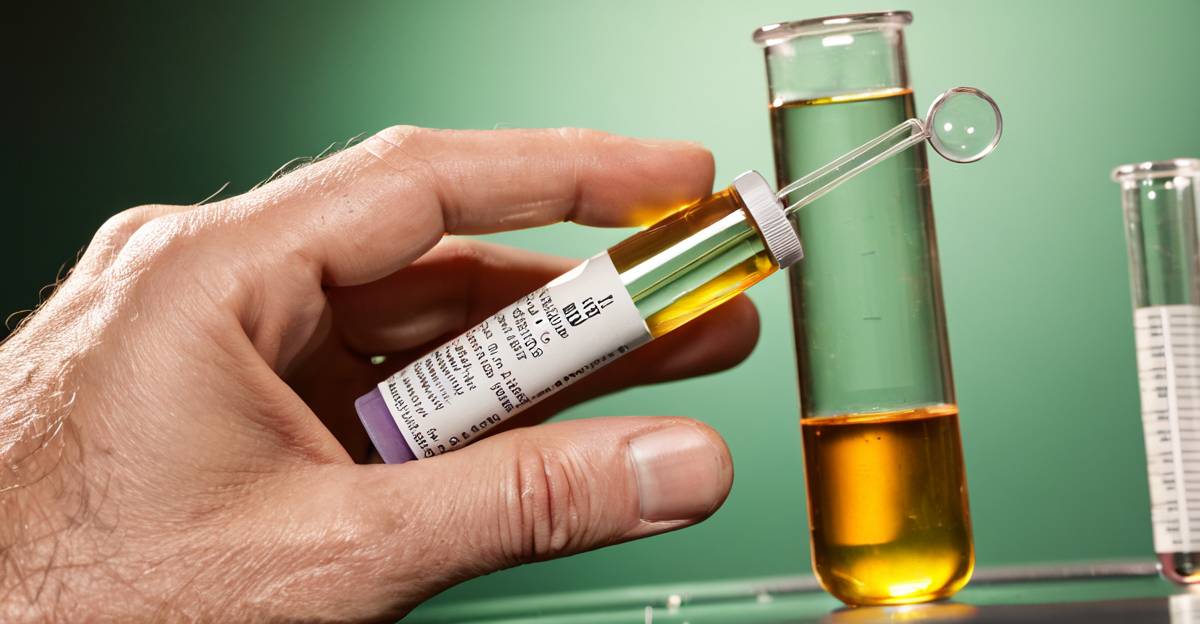
In the midst of the COVID-19 pandemic, it’s easy to forget about other infectious diseases like Ebola. But as Krutika Kuppalli and Placide Mbala argue in their opinion piece for Stat News, we must not let our guard down when it comes to preparing for future outbreaks.
Context & Background
The 2014 Ebola outbreak in West Africa was a stark reminder of the need for global preparedness. Despite significant investments in response efforts, the world was caught off guard by the speed and scale of the outbreak. Five years later, have we learned our lesson?
Analysis & Implications
Kuppalli and Mbala suggest that our current approach to epidemic preparedness is flawed. We tend to focus on optimizing investments for yesterday’s epidemics rather than preparing for tomorrow’s unknowns. This reactive approach has led to a lack of investment in critical areas such as diagnostics, therapeutics, and vaccines.
According to a KFF Health Tracking Poll, Americans are concerned about the U.S.’s ability to prevent an Ebola outbreak at home (58%) and help fight the outbreak in Africa (66%). This suggests that there is public support for increased preparedness efforts.
Industry Reactions
The healthcare industry has taken note of these concerns. The World Health Organization (WHO) has called for increased investment in health systems and pandemic preparedness. Meanwhile, pharmaceutical companies are investing in research and development of new treatments and vaccines for diseases like Ebola.
Future Outlook
The future of epidemic preparedness lies in a proactive approach that anticipates and mitigates risks rather than reacting to crises after they’ve happened. This means investing in research, surveillance, and response capabilities. It also means ensuring that these investments are sustainable over the long term.
Key Takeaways
– Our current approach to epidemic preparedness is reactive rather than proactive.
– We need to invest more in diagnostics, therapeutics, and vaccines for emerging diseases.
– There is public support for increased preparedness efforts.
– The future of epidemic preparedness lies in proactive risk mitigation.
FAQ
What is the current state of Ebola virus disease (EVD) outbreaks?
The WHO reports that as of August 2021, there have been no new cases of Ebola reported since the outbreak in Guinea was declared over on June 14, 2020.
How can we better prepare for future epidemics?
Better preparation involves investing in research, surveillance, and response capabilities. It also means ensuring that these investments are sustainable over the long term.
What role do pharmaceutical companies play in epidemic preparedness?
Pharmaceutical companies can play a key role in epidemic preparedness by investing in research and development of new treatments and vaccines for emerging diseases.
Sources
- We prepared for Ebola — but not this Ebola
- KFF Health Tracking Poll: Ebola & Pandemic Preparedness
- Ebola Virus Disease: Ethics and Emergency Medical Response Policy